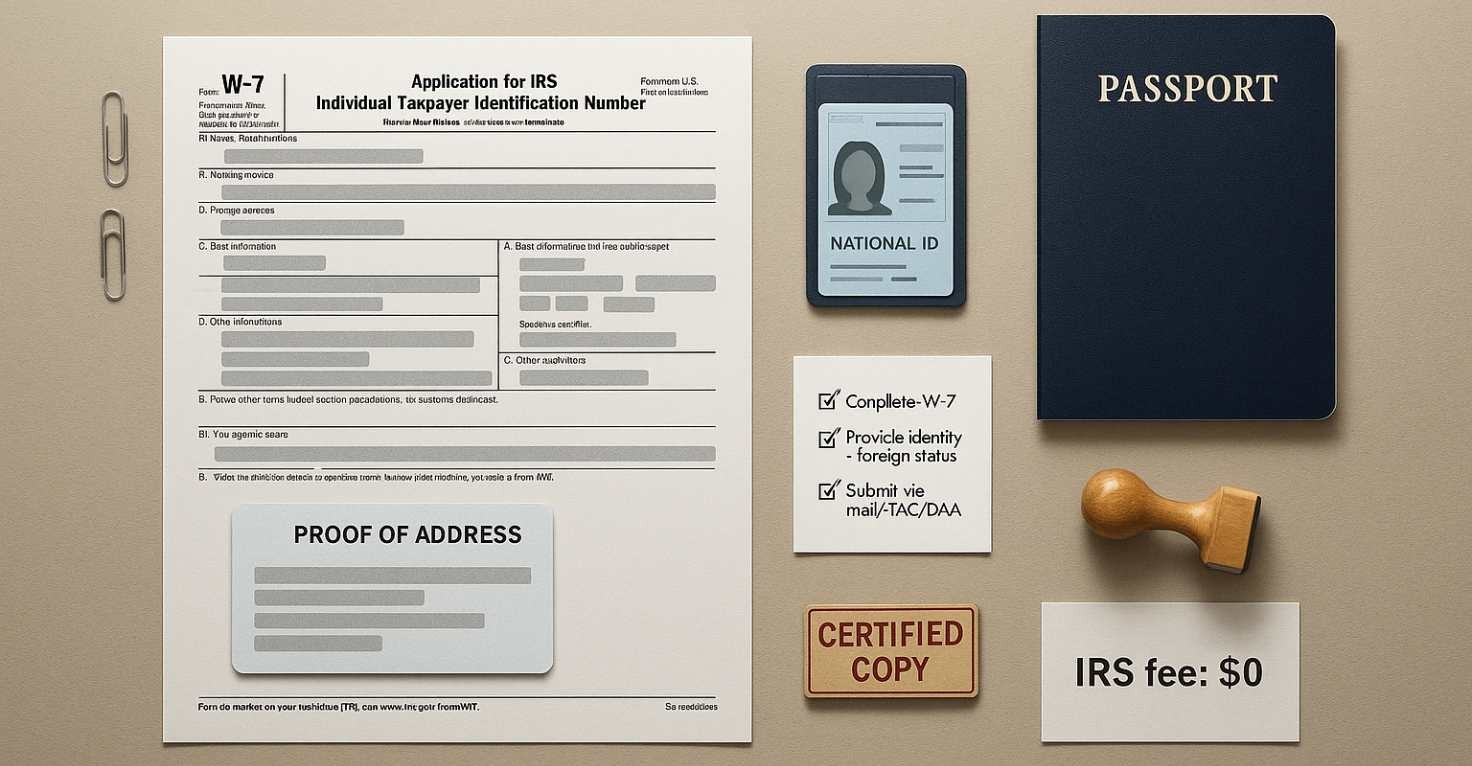
Obtaining an Individual Taxpayer Identification Number (ITIN) is crucial for non-resident aliens who need to comply with U.S. tax regulations. This unique 9-digit number helps individuals fulfill their tax obligations, access benefits, and even complete banking transactions. Understanding the steps to get an ITIN is essential for avoiding complications during tax season.
In this article, we will delve into the various aspects of the ITIN application process for non-resident aliens, addressing common questions and clarifying important details that can facilitate your application.
How can non-resident aliens get an ITIN before tax season?
Non-resident aliens can obtain an ITIN before tax season by preparing necessary documents and submitting Form W-7 to the IRS. It is important to start this process early to avoid last-minute issues. The application can be completed online or by mail, and for those who prefer a personal touch, visits to IRS Taxpayer Assistance Centers are an option.
It is crucial to keep in mind that the ITIN application process takes time, and delays can occur if documentation is incomplete. Therefore, ensure all required documents are in order. Additionally, applying early not only reduces stress but also gives you ample time to respond to any requests from the IRS.
What is an Individual Taxpayer Identification Number (ITIN)?
An Individual Taxpayer Identification Number (ITIN) is a unique nine-digit number issued by the IRS. It is designed for individuals who do not qualify for a Social Security Number (SSN) but still need to file taxes in the United States. The ITIN is primarily used for tax purposes and does not confer any immigration status or benefits.
The ITIN allows non-resident aliens to comply with U.S. tax requirements, access tax treaty benefits, and file tax returns. Importantly, it is crucial for anyone engaging in U.S. income-generating activities without an SSN.
Why do I need an ITIN?
Having an ITIN is essential for several reasons. Firstly, it enables you to file your U.S. tax returns and pay taxes on any income earned while in the U.S. Secondly, an ITIN is often required to open bank accounts or apply for loans. Additionally, it may be necessary for claiming tax treaty benefits, which can reduce your tax liability.
Furthermore, some employers may require an ITIN for payroll purposes, particularly if you are working in a capacity where a Social Security Number is not available. Overall, obtaining an ITIN can significantly ease various financial transactions and compliance obligations for non-resident aliens.
When should I apply for an ITIN?
It is advisable to apply for an ITIN as soon as you determine that you will need one, preferably well ahead of the tax season. This timing helps avoid potential delays that could complicate your tax filing process. Generally, the IRS accepts ITIN applications year-round, but filing during tax season can create longer wait times.
Additionally, if you have income that is subject to U.S. taxation, applying for your ITIN promptly will allow you to meet your filing obligations and avoid penalties. Remember, applying early gives you the best chance of securing your ITIN in time to file your taxes accurately and on time.
How do I qualify for an ITIN?
To qualify for an ITIN, you must be a non-resident alien, a U.S. resident alien who is not eligible for a Social Security Number, or a dependent or spouse of a U.S. citizen or resident alien. The IRS requires that you have a valid reason for needing an ITIN, such as filing a tax return or claiming tax benefits.
Additionally, it is essential to provide documentation that verifies your foreign status and identity. This may include valid passports, national identification cards, or other official documents that meet IRS requirements.
How do I get an ITIN as a non-resident alien?
To obtain an ITIN as a non-resident alien, you need to fill out Form W-7, which is the application for an Individual Taxpayer Identification Number. This form can be completed online or via paper submission. Ensure that all required information is filled out accurately to avoid processing delays.
After completing Form W-7, you must submit it along with any required supporting documents to the IRS. These documents typically include proof of identity and foreign status. You can submit the application and documents by mail or in person at an IRS Taxpayer Assistance Center.
What information is required when completing an ITIN application?
When completing an ITIN application, you will need to provide personal information such as your name, mailing address, date of birth, and country of citizenship. Additionally, the application will require the reason you are applying for the ITIN, which is vital for the IRS to process your request accurately.
It’s important to double-check all entries for accuracy. Any discrepancies could lead to delays or even rejection of your application. Having all necessary documents ready will streamline the process and ensure a smoother application experience.
What documents are required when applying for an ITIN?
When applying for an ITIN, you must submit original documents or certified copies that prove your identity and foreign status. Commonly accepted documents include:
- Valid passport
- National identification card
- U.S. driver’s license (if applicable)
- Birth certificate (for dependents)
It’s essential that all documents are valid and not expired. If you submit copies, they must be certified by the issuing agency to meet IRS standards. Incomplete or incorrect documentation can severely delay the processing of your ITIN application.
Does an ITIN have an expiry date?
Yes, an ITIN does have an expiry date. Specifically, ITINs that have not been used on a federal tax return for three consecutive years will expire. Additionally, ITINs issued before 2013 may have specific expiration dates, and individuals are encouraged to verify their ITIN status periodically.
To renew an expired ITIN, you must fill out Form W-7 and submit it along with your tax return or other documentation as required. It’s important to renew your ITIN in a timely manner to avoid issues with tax filing.
Related questions about ITIN for non-resident aliens
Can a non-resident alien get an ITIN number?
Yes, a non-resident alien can obtain an ITIN number if they meet the eligibility criteria. This includes individuals who are not eligible for a Social Security Number and need to file taxes in the U.S. The process involves completing Form W-7 and submitting the required documentation.
What documents do I need to get an ITIN number?
To apply for an ITIN, you will need to provide proof of identity and foreign status. This typically includes a valid passport, a national identification card, or other official documents that verify your identity. Make sure that all documents are original or certified copies as per IRS requirements.
How to get ITIN number without SSN?
Getting an ITIN number without an SSN is possible through the completion of Form W-7. Simply follow the application process outlined by the IRS, ensuring that you submit all necessary documents that establish your identity and foreign status. The ITIN serves as a substitute for an SSN for tax purposes.
Can a B1 B2 visa holder apply for ITIN?
Yes, a B1 B2 visa holder can apply for an ITIN if they have a valid reason to file U.S. taxes. The application can still be processed even without an SSN, ensuring that the individual can meet their tax obligations. The process is the same, involving the completion of Form W-7 and the submission of required documents.