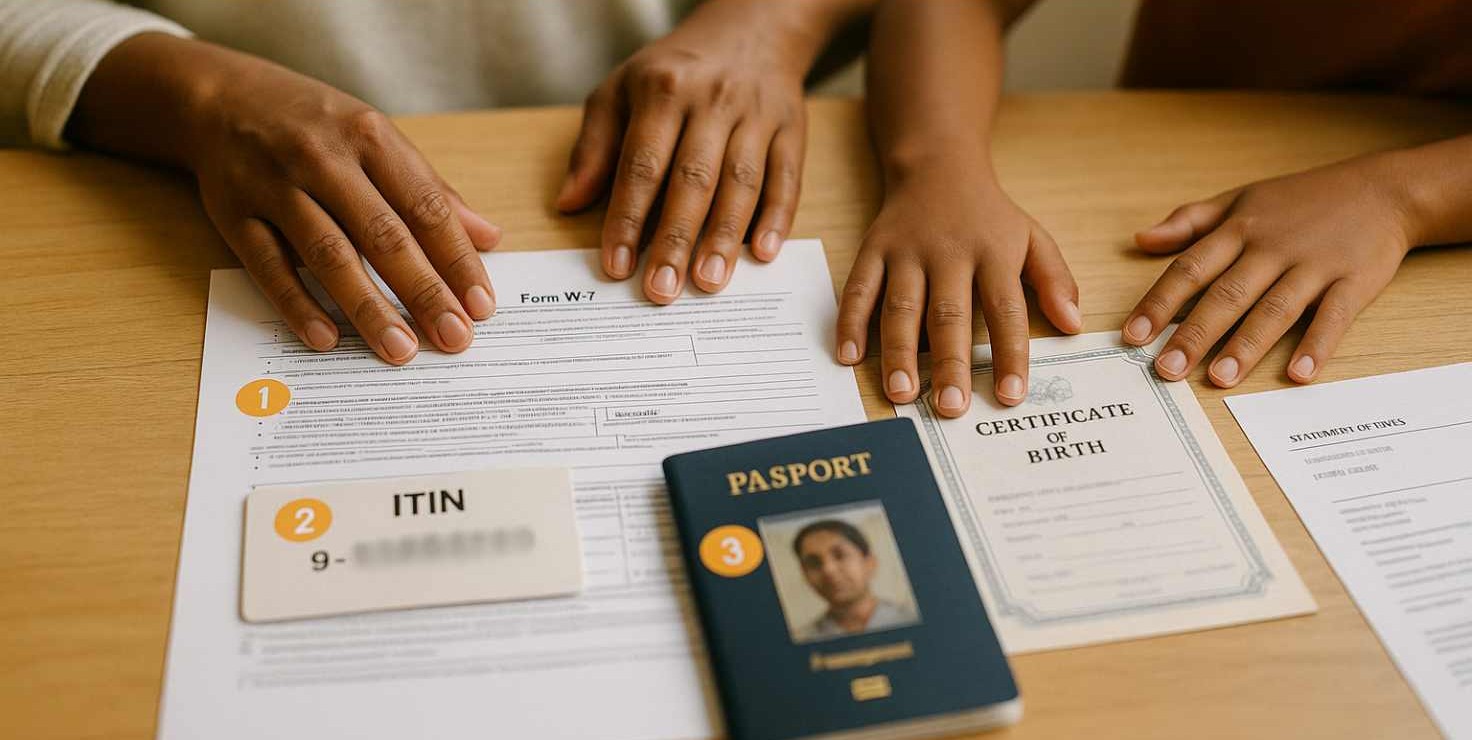
Acquiring an ITIN (Individual Taxpayer Identification Number) is essential for many non-U.S. citizens, especially those who want to claim dependents on their federal tax returns. Understanding the process and requirements can significantly affect your tax situation. This article will explore everything you need to know about the ITIN for dependents.
In addition, we will cover related topics such as eligibility, application processes, and what to do if your ITIN is lost or expired. Let’s dive into the details.
What is an ITIN?
An ITIN is a tax processing number issued by the IRS to individuals who need to file their taxes but do not have a Social Security Number (SSN). It is a nine-digit number starting with the number 9. ITINs are primarily used for federal tax reporting purposes and are important for non-residents and others who are not eligible for an SSN.
An ITIN allows individuals, including dependents, to comply with U.S. tax laws and file their federal tax returns. The IRS uses this number to track earnings and tax obligations. This is particularly important for those wishing to claim tax credits and deductions available for dependents.
ITINs are issued regardless of immigration status, making them accessible to many individuals. It’s important to note that having an ITIN does not provide legal immigration status or the right to work in the U.S.
What is an ITIN used for?
The primary purpose of an ITIN is to allow individuals to file their federal tax returns with the IRS. Specifically, it enables individuals to:
- File taxes and comply with U.S. tax laws.
- Claim tax benefits such as the Child Tax Credit.
- Open bank accounts and obtain loans in some cases.
- Establish a taxpayer identification record with the IRS.
For families with dependents, having an ITIN is crucial to maximize potential tax credits. It ensures that non-citizen parents can claim their children, even if the children do not have an SSN.
Moreover, it allows for the filing of joint tax returns for couples where one partner may not have a social security number. This can create significant tax savings for families.
Do I need an ITIN?
- Non-resident aliens who are required to file a U.S. tax return.
- Dependents or spouses of U.S. citizens or resident aliens.
- Non-resident aliens who are claiming tax treaty benefits.
It’s essential to determine if your specific situation requires an ITIN. If you are eligible for an SSN, you should apply for that instead, as it offers additional benefits beyond just tax filing.
Consulting a tax professional can also help clarify your situation and ensure that you are in compliance with all IRS requirements.
How to apply for an ITIN?
The application process for an ITIN is straightforward but requires careful attention to detail. Here are the steps involved:
- Complete Form W-7, the application for IRS ITIN.
- Gather the required identification documents, which may include a passport or other forms of ID.
- Submit your application, either by mail or in person at an IRS Taxpayer Assistance Center.
- Wait for your ITIN to be processed, which typically takes about 6 to 8 weeks.
When applying for an ITIN for dependents, it’s critical to include proof of the dependent’s identity and foreign status, such as a birth certificate or passport. Ensure that all documents are current and correctly submitted to avoid delays.
Additionally, if you are applying for an ITIN during tax season, be mindful of deadlines to ensure timely processing before your tax return due date.
How to file your federal tax return using an ITIN?
- Fill out your tax return form (1040 or 1040NR) and enter your ITIN in the appropriate section.
- Include all necessary documentation, such as W-2 forms or 1099 forms that report your income.
- Claim any tax credits or deductions that you qualify for, such as the Child Tax Credit.
It’s advisable to double-check all entries and calculations before submitting your return. Errors can lead to processing delays or issues with your tax obligations.
Remember, even if you have an ITIN, you are still required to comply with all tax laws and regulations set by the IRS. Failing to do so can result in penalties or other consequences.
What to do if your ITIN is lost or expired?
If you lose your ITIN or it has expired, you must take action promptly. For a lost ITIN, you can find it on previous tax returns or documentation from the IRS.
If your ITIN has expired, you need to renew it. To do so:
- Complete a new Form W-7.
- Provide the required documentation to verify your identity.
- Submit the application as directed by the IRS.
Renewing an expired ITIN is essential if you plan to file a tax return in the future. Failing to do so may delay your ability to file or claim benefits.
How to get ITIN for dependents?
Obtaining an ITIN for dependents follows a similar process to that of obtaining an ITIN for adults. Here are the steps:
- Complete Form W-7 on behalf of the dependent.
- Provide documentation proving the dependent’s identity and foreign status, such as a passport or birth certificate.
- Submit the application form along with the supporting documents to the IRS.
It is essential to ensure the information provided is accurate and matches the documentation to avoid complications. Once the application is processed, the dependent will receive an ITIN, enabling you to claim them on your federal tax return.
Having an ITIN for dependents can significantly impact your tax filings and potential refunds, making it a valuable step for families who do not have access to an SSN.
Related questions about ITINs and dependents
Can non-US citizens be claimed as dependents?
Yes, non-U.S. citizens can be claimed as dependents as long as they meet certain criteria. They must be your child or qualifying relative and provide support during the tax year. To claim a non-citizen as a dependent, it is necessary to apply for an ITIN for dependents if they do not have an SSN. This allows you to access benefits like the Child Tax Credit.
It’s important to ensure that all IRS requirements are met when seeking to claim a non-citizen as a dependent. Check with a tax professional if you are uncertain about your eligibility or the necessary documentation.
Where can I find additional resources on ITINs?
The IRS website is an excellent resource for all information related to ITINs. They provide detailed guidelines on how to apply, eligibility requirements, and the application process. Additionally, you can visit a local IRS Taxpayer Assistance Center for personalized help.
For more insights, consider watching educational videos, such as this one:
Staying informed about your tax obligations is crucial, especially when dealing with dependents. Always ensure to pursue the correct procedures and maintain accurate records with the IRS.