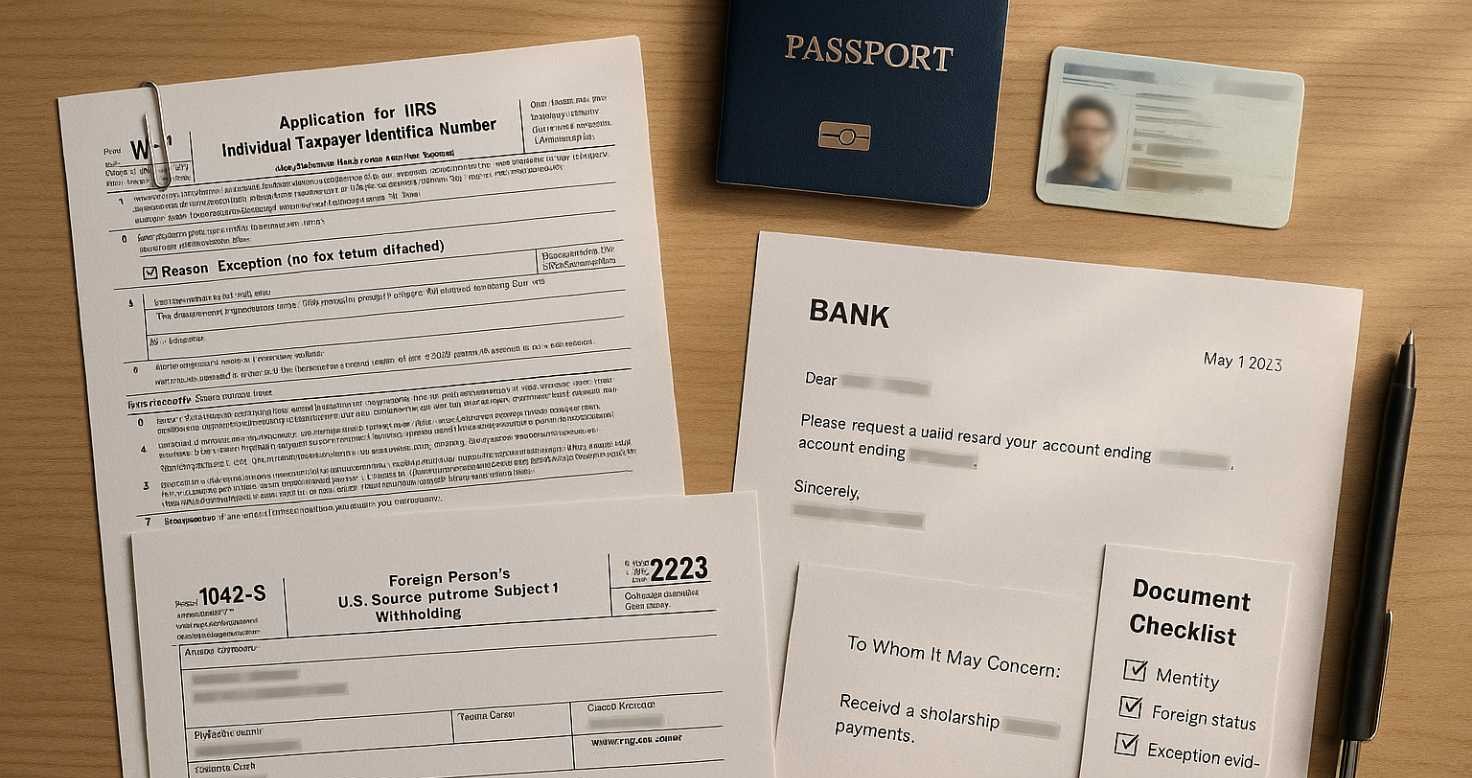
The process of applying for an Individual Taxpayer Identification Number (ITIN) can be daunting, especially if you’re considering an ITIN application without a tax return. This guide will help you navigate the process, offering essential information and resources.
Understanding the requirements and steps involved in obtaining an ITIN is crucial for nonresident aliens who need to comply with U.S. tax laws. Here, we break down everything you need to know to make your application process smoother.
How to apply for an ITIN?
To initiate the ITIN application process for nonresident aliens, you must complete Form W-7. This form is specifically designed for individuals who need an ITIN but do not have a tax return to submit.
Make sure to gather all necessary documentation to verify your identity and foreign status. The IRS requires original documents or certified copies that prove your identity. Acceptable documents include a current passport, national identification card, or birth certificate.
After completing Form W-7 and gathering your documents, you can choose one of three submission methods. You can mail your application to the IRS, visit a Taxpayer Assistance Center, or use a Certified Acceptance Agent (CAA).
What is an Individual Taxpayer Identification Number (ITIN)?
An ITIN is a tax processing number assigned by the IRS to individuals who do not qualify for a Social Security Number (SSN). It is primarily used for tax purposes and allows nonresident aliens to comply with U.S. tax regulations.
The benefits of having an ITIN for nonresident aliens include the ability to file U.S. tax returns, claim tax treaty benefits, and access certain financial products. An ITIN does not authorize work in the U.S. or provide eligibility for Social Security benefits.
How can nonresident aliens get an ITIN before tax season?
Nonresident aliens can obtain their ITIN at any time during the year, but it’s advisable to apply before the tax season to ensure you have your number in time for filing. Starting the application process early can help you avoid potential delays.
Documentation is key when applying for an ITIN without a tax return. Acceptable documents for verification include a current passport, foreign driver’s license, or a combination of documents that establish both identity and foreign status.
Where to apply for an ITIN?
You have three main options for submitting your ITIN application without a tax return:
- By Mail: Send your completed Form W-7 and the required documentation to the IRS Austin Service Center.
- In Person: Visit a local IRS Taxpayer Assistance Center, where staff can help you with the application process.
- Through a Certified Acceptance Agent: CAAs can assist with the application process and verify your documents.
Each method has its pros and cons, so choose the one that best fits your situation and needs. If you’re outside the U.S., working with a CAA may be your best option.
When should I apply for an ITIN?
It is recommended to apply for your ITIN as soon as you know you’ll need one. This is particularly important for those who are required to file U.S. taxes. Applying early can help you receive your number before the tax filing deadline.
Keep in mind that processing times can vary, so allowing sufficient time for the IRS to process your application is advisable. Typically, the ITIN application process can take up to seven weeks.
How long does it take to get an ITIN number?
The processing time for your ITIN application usually ranges from six to eight weeks. However, this timeframe can be affected by various factors, such as the volume of applications the IRS is handling at the time.
To ensure a quicker processing time, double-check that all information on your Form W-7 is accurate and that you have included all required documentation. Incomplete applications can lead to delays.
What information is required when completing an ITIN application?
When filling out Form W-7, you need to provide personal information, including:
- Your full name.
- Your mailing address.
- Your birth date and country of birth.
- The specific reason you’re applying for an ITIN.
In addition to this information, you must attach the appropriate documentation to verify your identity and foreign status. This is essential for the IRS to process your application.
How do I get an ITIN as a nonresident alien?
As a nonresident alien, acquiring an ITIN involves the same steps as outlined previously, but with additional considerations specific to your residency status. You must demonstrate that you are not eligible for a Social Security Number.
Utilizing certified documents, especially your passport, can expedite your application. If you reside outside the U.S., working with a Certified Acceptance Agent can streamline the process, as they can help with the documentation and submission.
Related questions about filing for an ITIN
Can I file a US tax return without an ITIN?
No, you cannot file a U.S. tax return without an ITIN or an SSN. If you are required to file a tax return, obtaining an ITIN is essential for compliance with U.S. tax regulations.
If you attempt to file without an ITIN, the IRS may reject your return, which could lead to penalties or further complications. Therefore, it is crucial to apply for an ITIN as soon as you realize you need to file a tax return.
Can you work in the US without an ITIN?
Having an ITIN does not grant you permission to work in the U.S. It is strictly a tax processing number. If you wish to work legally in the U.S., you must obtain the appropriate work visa, which may require additional documentation.
However, if you are a nonresident alien and earn income, having an ITIN will allow you to file taxes on that income. It’s important to understand the limitations of an ITIN regarding employment.
How can I get my ITIN number outside USA?
If you are outside the U.S., you can still apply for an ITIN by using Form W-7. You may submit your application by mail to the IRS or work with a Certified Acceptance Agent who can assist you in the process.
When applying from abroad, ensure you include all required documentation, as the IRS will not accept applications that are incomplete or lack proper verification of identity. Certified copies or originals are necessary to avoid delays.